If you’re picturing Plum Island as just another beach town, it helps to reset that image. Life here is shaped by sand, marsh, wildlife protections, weather shifts, and one main road in and out. If you’re wondering whether that tradeoff feels magical, inconvenient, or a little of both, this guide will help you understand the day-to-day reality. Let’s dive in.
Plum Island feels different by design
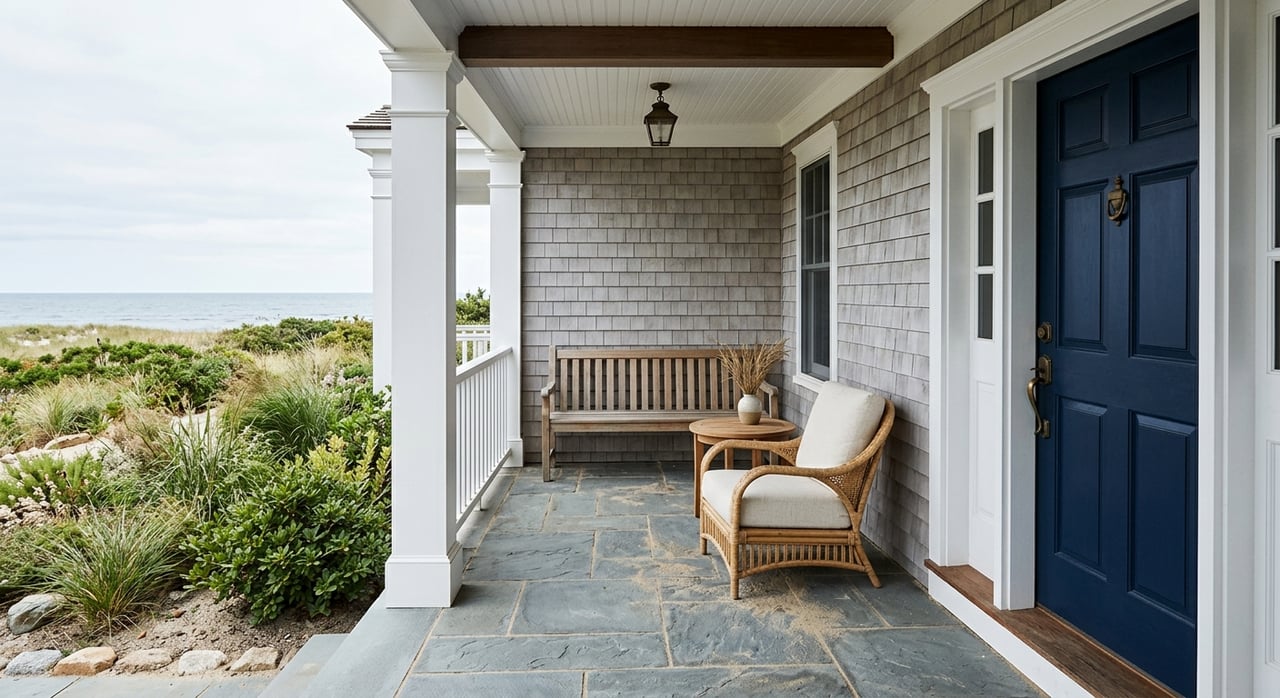
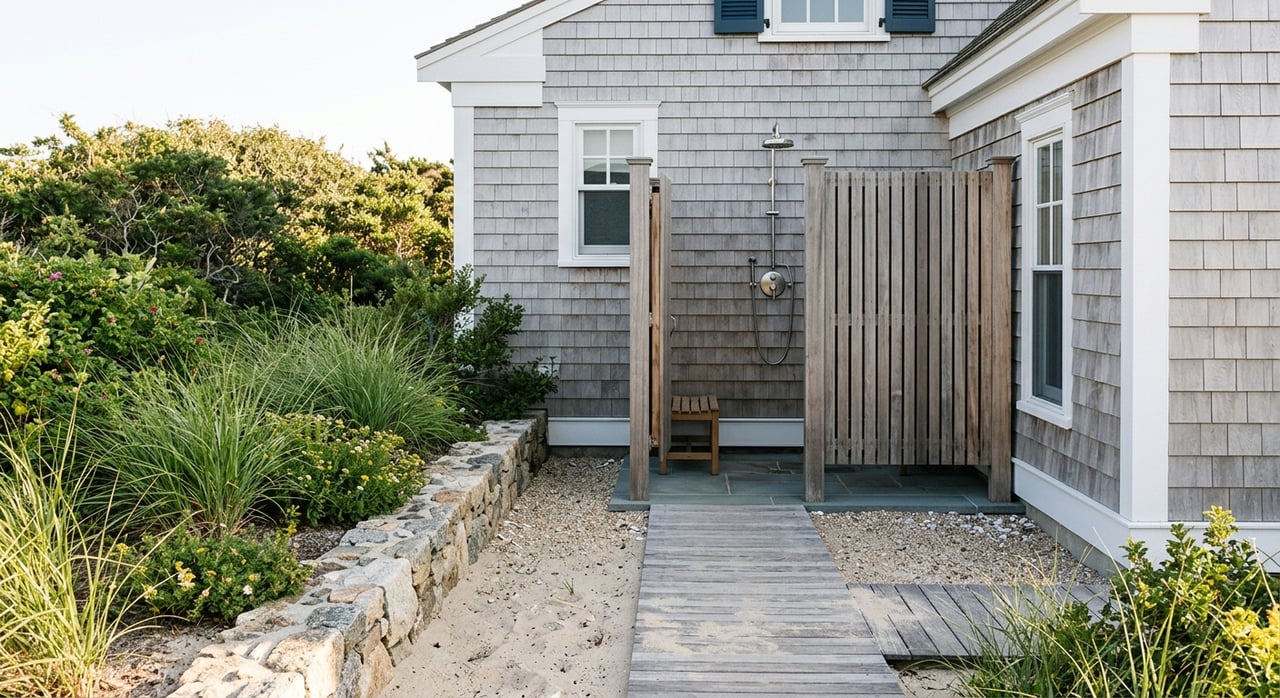
Plum Island is not a typical suburban neighborhood with a beach nearby. It sits within a barrier-beach and Great Marsh landscape, with dunes, marsh, and protected habitat shaping much of the island experience.
A large portion of the island is tied to protected public land. Parker River National Wildlife Refuge covers much of Plum Island, and Sandy Point State Reservation anchors the southern tip. That gives everyday life a more nature-first feel than you might expect in a standard coastal community.
Daily life is slower and more scenic
One of the first things many people notice is the pace. The refuge road is shared by vehicles, cyclists, and pedestrians, and it stretches about 6.4 miles from the entrance to the south end.
That means errands and outings can feel slower than they would on the mainland. For many residents, that is part of the appeal. You are not just getting from place to place. You are moving through a landscape that feels tied to the water, the sky, and the season.
Seasons shape the island routine
Plum Island runs on a very clear seasonal rhythm. Summer brings the most activity, and Parker River National Wildlife Refuge identifies it as the busiest time of year.
During peak summer periods, refuge vehicle access may close when parking lots fill. The refuge notes that weekday visits or arriving before 10 a.m. or after 3 p.m. on weekends can improve your chances of getting in.
Spring and early summer also bring wildlife-related restrictions. Most refuge beach areas close from April 1 into early August to protect nesting piping plovers and other shorebirds.
For residents, that means beach access is real, but it is not always simple or uniform. Some stretches of shoreline may be open while others are managed more tightly, depending on the season and habitat needs.
Beach access comes with rules
Living on Plum Island means learning that not every beach area works the same way. Sandy Point State Reservation offers another public beach option at the southern tip, with sunrise-to-sunset hours and swimming listed as an official activity.
At the same time, dogs are not allowed at Sandy Point. Parker River National Wildlife Refuge also does not allow dogs or other pets at any time.
These rules are not small details. They shape how you plan walks, outings, and weekends, especially if you are moving from a place where beach access feels more casual.
One road changes everything
Plum Island Turnpike is the island’s only access point, according to City of Newburyport planning materials. That single detail explains a lot about island life.
In summer, traffic can back up quickly. On stormy days or during unusually busy beach weekends, access can feel more limited than it would in a typical neighborhood with multiple routes.
That does not mean life on Plum Island is difficult. It means you tend to plan ahead. Residents often get used to timing trips, checking conditions, and building a little more flexibility into the day.
Parking matters more than you expect
Parking is part of the practical rhythm of Plum Island. The City of Newburyport manages Plum Island Point Beach and Parking Lot at the north end, and that lot has space for 120 vehicles.
The Town of Newbury also notes that resident parking is permit-only in certain island locations. If you are considering year-round living or frequent summer use, that kind of detail becomes part of everyday planning.
For visitors, parking can feel like a beach-day issue. For residents, it becomes part of how you think about hosting guests, heading out, and navigating busy weekends.
Weather is part of daily decision-making
On Plum Island, coastal weather is not background scenery. It is part of how you live.
NOAA and the National Weather Service describe the local coastal climate as ocean-moderated, with sea breezes that help reduce temperature extremes. In summer, that can make the island feel bright, breezy, and cooler than inland spots.
In colder months, the tone changes. The same climate summary notes that coastal storms and northeasters can bring rain and snow, and winter gales tend to be more common and more severe.
Nearby Newburyport climate normals show about 49.76 inches of precipitation each year and about 61.9 inches of snowfall. Snowfall is concentrated from December through March, while October is the wettest month on average.
Storm awareness is part of the lifestyle
Living close to the water means paying attention to local alerts. In February 2026, Newburyport warned Plum Island residents to prepare for possible loss of utilities and mainland access during a coastal storm.
That kind of notice does not mean constant disruption. It does mean island life works best when you stay informed and respond early when weather conditions change.
The city also notes that winter cold can affect the island’s vacuum sewer system. Residents are asked to report unusual vent noises to the city, which is another example of how practical island living can be more hands-on than mainland living.
Outdoor life is the main attraction
For many people, the biggest reason to live on Plum Island is simple: everyday access to the outdoors. Parker River National Wildlife Refuge offers walking, biking, wildlife observation, photography, fishing, paddling, beach use, and beach-combing.
That kind of access changes the feel of ordinary life. A quick walk can turn into birdwatching. A free afternoon can become time on the sand, on a bike, or near the marsh.
If you want a packed commercial scene right outside your door, Plum Island may feel quiet. If you want nature to be built into your weekly routine, it delivers in a very specific and memorable way.
Food options are casual and compact
Dining and grab-and-go options on Plum Island are limited compared with a larger downtown, but there are convenient local staples. Official business sites list The Cottage as a year-round market with groceries, ice cream, beer and wine, and surf gear.
Other island options include Plum Island Provision for pizza and heat-and-eat meals, Pizza Factory and Market for pizza and casual takeout, and Bob Lobster on Plum Island Turnpike for seafood-focused dining.
That setup fits the island well. You have useful local options close by, but you are not moving here for endless restaurant variety on the island itself.
Newburyport adds balance
One of Plum Island’s biggest strengths is that it does not feel fully isolated. When you want more shops, dining, arts, or a change of pace, Newburyport is the natural nearby option.
The city describes itself as a designated cultural district with galleries, museums, theaters, and performance spaces. Its Clipper City Rail Trail area also connects you to restaurants, bakeries, coffee shops, and the downtown waterfront setting.
For many residents, that balance is ideal. Plum Island gives you the slower, coastal, nature-driven side of daily life, while Newburyport adds convenience and variety nearby.
What Plum Island living suits best
Plum Island tends to work best for buyers who want their home environment to feel tied to the coast in a real, daily way. That may mean embracing wind, weather, parking rules, wildlife protections, and a rhythm that changes with the season.
In return, you get something distinctive. Off-season quiet, summer beach energy, and year-round proximity to marsh, sand, and open sky create a lifestyle that feels hard to replicate elsewhere.
If that kind of setting sounds like the right fit for your next move, local guidance matters. Working with someone who understands the island’s pace, practical quirks, and neighborhood-by-neighborhood feel can help you make a smarter decision. If you’re thinking about buying or selling in the Greater Newburyport area, Lynne Hendricks can help you navigate the market with local insight and calm, strategic guidance.
FAQs
What is daily life like on Plum Island?
- Daily life on Plum Island is beach-centered, weather-aware, and closely shaped by nature, seasonal patterns, and protected coastal land.
How do seasons affect living on Plum Island?
- Summer is the busiest season, while spring and early summer can bring beach access restrictions in refuge areas to protect nesting shorebirds.
How do you get on and off Plum Island?
- Plum Island Turnpike is the only access point to the island, so traffic, storms, and beach crowds can have a bigger impact on travel than in other neighborhoods.
Are dogs allowed on Plum Island beaches?
- Dogs are not allowed at Parker River National Wildlife Refuge or at Sandy Point State Reservation.
What outdoor activities are available on Plum Island?
- Residents and visitors can enjoy walking, biking, wildlife observation, photography, fishing, paddling, beach use, and beach-combing.
Is Plum Island close to restaurants and shops?
- Plum Island has a small group of casual food and market options, and nearby Newburyport adds more dining, shopping, arts, and waterfront amenities.