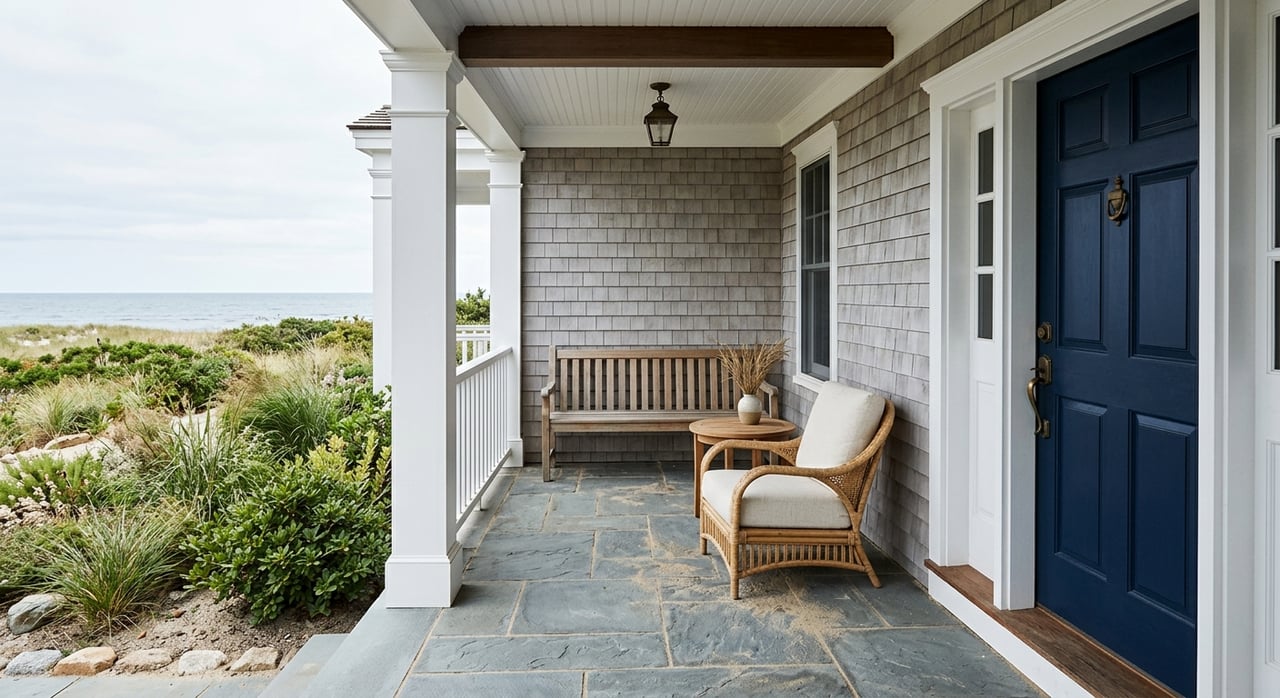
Dreaming about a Plum Island getaway is easy. Buying one with clear eyes is the part that matters. If you want a coastal home you can truly enjoy, and possibly rent at times, you need to understand how this barrier beach works before you write an offer. This guide will walk you through the big questions, the local rules, and the practical costs so you can move forward with confidence. Let’s dive in.
Why Plum Island Feels So Distinct
Plum Island is a barrier beach shared by Newbury and Newburyport. Local historical and municipal sources describe it as a long-loved coastal retreat, with summer cottages added in the late 1800s and a housing mix that now includes both older cottages and larger newer homes.
That mix is part of the charm, but it also shapes the market. Newburyport describes Plum Island as one of the Commonwealth’s largest and most densely populated barrier beaches. In practical terms, that means inventory is limited, location matters a great deal, and no two properties should be evaluated the same way.
Start With the Right Municipality
One of the first questions to answer is simple: Is the property in Newbury or Newburyport? Plum Island spans both municipalities, and that affects how you should think about permits, conservation review, parking, and short-term rental rules.
This is especially important if you are buying with a rental plan in mind. You do not want to assume one set of rules applies island-wide. A home’s exact location can affect what approvals are needed and what use is realistic.
Why Town Lines Matter
If you are comparing two homes with similar size, style, or beach access, the governing municipality may still make ownership feel very different. Rules tied to construction, conservation, and rentals can change the cost and complexity of future plans.
That is why a smart Plum Island search is not just about finding a pretty house. It is about confirming which town governs the parcel and understanding what that means before you commit.
Understand the Coastal Risk Profile
Owning on Plum Island means owning in a coastal environment that is always changing. Massachusetts says shorelines shift constantly due to wind, waves, tides, seasonal variation, sea level rise, and human alterations.
The state also warns that coastal areas are highly vulnerable to storm surge, flooding, and erosion. On Plum Island, that is not background information. It is a core part of how you should evaluate any property.
Flooding and Elevation Questions to Ask
When you tour a home, ask early whether it is in a flood zone and how the structure sits in relation to flood elevation. On the Newburyport side of the island, new or substantially improved structures must be elevated at least two feet above FEMA flood elevation or the ground surface, whichever is higher, according to the city’s Plum Island homeowner guide.
That requirement can affect renovation plans, rebuilding costs, and long-term ownership strategy. It can also influence insurance considerations, so you want clarity on elevation and prior improvements before you move too far into a deal.
Erosion and Storm Exposure
Newburyport’s homeowner guide is direct that homes on the barrier beach face storm damage, erosion, and flooding. For buyers, that means due diligence should go beyond finishes and views.
A beautifully updated kitchen matters, but so does the lot’s exposure, the condition of exterior elements, and whether prior work was done with coastal conditions in mind. A getaway home should feel relaxing, not full of preventable surprises.
Know What Changes Need Approval
Many buyers picture a few quick updates after closing. On Plum Island, even relatively ordinary projects can trigger review or permits.
Newburyport says all construction on Plum Island requires a building permit or Conservation Commission approval. Newbury’s guidance also flags unpermitted work within 100 feet of a beach, barrier beach, salt marsh, or floodplain.
Projects That May Need Review
Depending on the property and location, review may apply to:
- Construction
- Additions
- Fences
- Driveways
- Patios
- Landscaping
- Excavation or fill
- Coastal armoring
That list surprises many second-home buyers. If your vision includes expanding outdoor space, changing circulation, or upgrading site features, it is wise to confirm what is allowed before you fall in love with the plan.
Look Closely at Landscaping and Site Design
On Plum Island, landscaping is not just aesthetic. It can affect how the site performs in a coastal setting.
Newburyport’s guide encourages native plantings, open fencing, and permeable materials rather than solid surfaces that block sand movement. If you are buying a home with outdoor improvements in mind, these details should be part of your decision-making from the start.
Why This Matters for Buyers
A low-maintenance coastal property often sounds ideal, but the right approach is not always the most paved or enclosed one. Materials and layout choices may need to work with the landscape, not against it.
That is one reason local guidance matters so much on Plum Island. Small design decisions can have larger implications for use, maintenance, and approvals.
Budget for Water, Sewer, and Betterments
A getaway home budget should include more than the purchase price and routine carrying costs. On Plum Island, water and sewer deserve special attention.
Newbury says Plum Island properties are served by Newburyport utilities. It also says Newbury bills betterment charges for the island water and sewer project on annual real estate tax bills.
Why Utility History Matters
Newburyport has documented that the island once relied on private wells and septic systems and later needed infrastructure repairs related to corrosion. For today’s buyers, that history is a reminder that utility systems on a barrier beach are not an afterthought.
Before you buy, it is worth confirming current service details and whether there are ongoing betterments or island-specific carrying costs attached to the property. These expenses can materially affect your true annual ownership cost.
Think Through Seasonal Use
Part of Plum Island’s appeal is that it changes with the seasons. That can be wonderful for owners, but it also affects daily use, guest expectations, and how you plan your time at the property.
Newbury says the off-season provides the best beach access. It also says most beach access is closed from April 1 to early August to protect nesting birds, and dogs are not allowed on the public beach during the summer.
Beach Access Is Not the Same Year-Round
If your vision is spontaneous summer beach days right outside your door, make sure you understand what access looks like in peak season. Protected wildlife patterns and seasonal rules can shape how and when you use the beach.
That does not reduce the island’s appeal. It simply means confident buyers plan around the real rhythm of the place rather than assuming year-round use is identical.
Parking and Visitor Capacity Matter Too
Newburyport’s Plum Island Point lot is a managed parking facility with 120 spaces. That is a useful reminder that high-season access is planned and capacity-limited.
If you expect frequent guests or are considering rental use, seasonal parking patterns are worth discussing early. Ease of access can influence both owner enjoyment and renter experience.
If You Want Rental Income, Verify the Rules First
A Plum Island getaway can be personally rewarding, and some buyers also hope to offset costs with short-term rentals. If that is part of your strategy, the legal side deserves as much attention as the home itself.
Newbury adopted short-term rental regulations on September 23, 2025. Because Plum Island spans more than one municipality, you should confirm the property’s town before making assumptions about rental use.
What Newbury Requires for Short-Term Rentals
According to Newbury’s application materials, a short-term rental application requires:
- Department of Revenue registration
- Inspections or certifications
- A parking plan
- Proof of at least $1 million in liability coverage, unless platform coverage is equal or greater
- A 24-hour location manager
The license is non-transferable and ends when the property is sold. The application also requires certifications about zoning compliance and deed restrictions that may prohibit short-term rental use.
Build Rental Projections on Net, Not Hype
Massachusetts requires operators to register with the Department of Revenue for room occupancy excise tax. The state applies that tax to short-term rentals of 31 consecutive days or less and allows cities and towns to add a local room occupancy excise of up to 6 percent.
That means your rental math should be based on net income after taxes and compliance costs, not just peak-season nightly rates. A realistic projection is far more useful than an optimistic one.
A Smarter Way to Buy on Plum Island
Buying a second home on Plum Island is not just about lifestyle. It is also about fit, risk, carrying costs, and local rules.
The strongest buyers ask practical questions early. They confirm the municipality, review flood and elevation issues, understand utility costs, think through seasonal use, and test any rental plan against actual local requirements.
With the right guidance, that process does not need to feel overwhelming. It simply helps you buy with more clarity, protect your investment, and choose a property that works for the way you really want to live.
If you are considering a Plum Island purchase, working with someone who understands the nuances of Greater Newburyport’s coastal market can make the process far more strategic. To talk through your goals and evaluate the right fit, connect with Lynne Hendricks.
FAQs
What should you check before buying a Plum Island home?
- Confirm which municipality governs the property, review flood zone and elevation details, ask about permits for past or future work, verify water and sewer costs or betterments, and understand any seasonal beach or rental restrictions.
Does the town matter when buying on Plum Island?
- Yes. Plum Island is shared by Newbury and Newburyport, and local rules can differ for permits, conservation review, parking, and short-term rentals.
Are Plum Island homes affected by flooding and erosion?
- Yes. Massachusetts says coastal shorelines change constantly, and local guidance for Plum Island notes that homes on the barrier beach face storm damage, erosion, and flooding.
Can you do renovations easily on Plum Island?
- Not always. Construction, additions, fences, driveways, patios, landscaping, excavation or fill, and coastal armoring may require local review or permits depending on the property and location.
Can you use a Plum Island home as a short-term rental?
- Possibly, but you should verify local rules first. In Newbury, short-term rentals require specific registration, certifications, a parking plan, liability coverage, and a 24-hour location manager, and deed or zoning limits may still apply.
Are there seasonal access rules on Plum Island beaches?
- Yes. Newbury says most beach access is closed from April 1 to early August to protect nesting birds, and dogs are not allowed on the public beach during the summer.