Dreaming of a Plum Island beach house that feels easy, airy, and timeless? The best design choices here are not just about looks. They also need to work with sand, salt air, moisture, and the barrier-beach setting that makes Plum Island so special. If you want a home that feels relaxed, photographs beautifully, and stays practical through the seasons, these ideas will help you shape a look that truly fits the island. Let’s dive in.
Start With Plum Island’s Natural Character
A relaxed Plum Island beach house usually feels best when it takes cues from the landscape around it. Local Newburyport guidance describes Plum Island as a barrier beach, with dunes and native vegetation playing an important role in storm and flood protection. That means the most fitting design approach is often one that feels open, natural, and low-key rather than heavily styled or overly manicured.
In practice, that can shape everything from your color palette to your yard layout. Instead of forcing a dramatic coastal theme, it often works better to let the setting do the talking. Think texture, softness, durability, and restraint.
Choose a Light, Low-Glare Palette
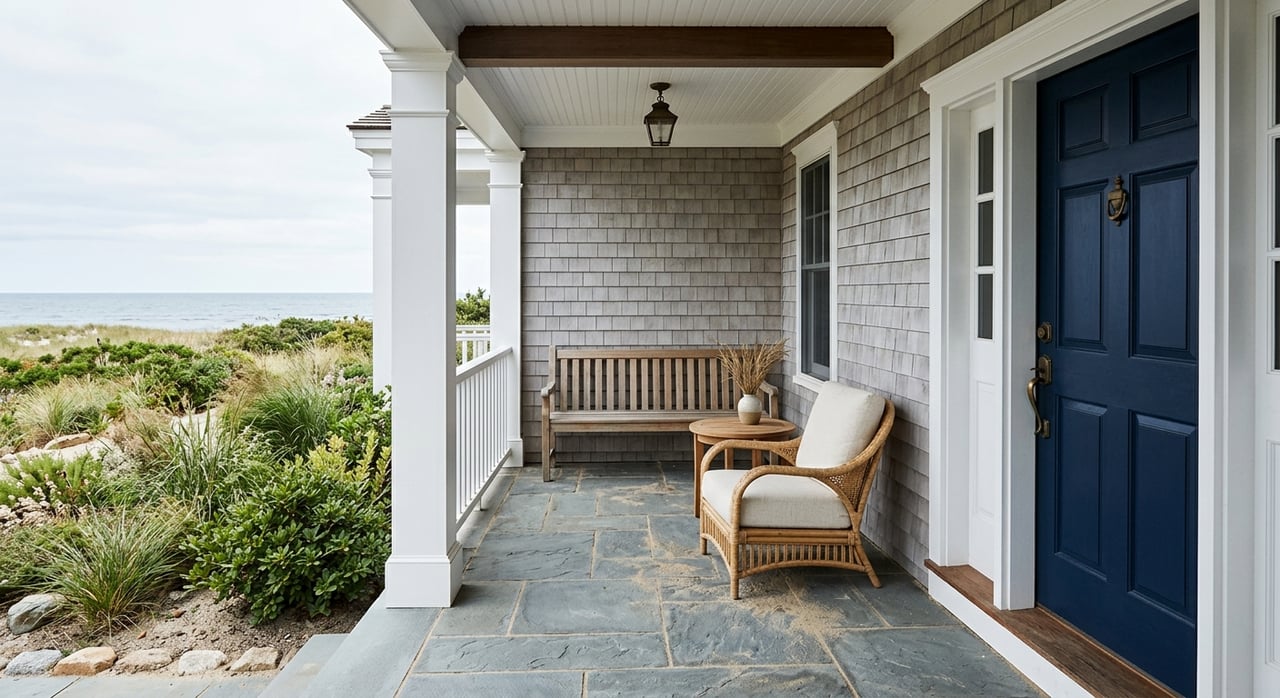
A calm color scheme is one of the easiest ways to create a relaxed beach-house feel. On Plum Island, soft whites, sand tones, muted greens, weathered wood notes, and pale blue accents often feel more natural than high-contrast or overly glossy finishes. These tones echo the beach, marsh, and sky without feeling too literal.
This kind of palette also tends to age well. If you ever sell, a simple, timeless backdrop usually feels more flexible and appealing than a highly themed interior. The goal is coastal, not kitschy.
Colors That Usually Work Well
- Crisp white for walls or trim
- Soft sand and driftwood tones for larger surfaces
- Muted blue or slate accents
- Warm wood for balance and texture
- Low-sheen finishes that soften glare
Prioritize Easy-Clean Materials
Plum Island homes have to handle real wear. NOAA climate normals for Newburyport show about 49.76 inches of annual precipitation and 61.9 inches of snowfall, which means wet shoes, damp coats, and sandy floors are not occasional problems. They are part of daily life in many seasons.
Because of that, durable and easy-clean surfaces make a big difference. Wipeable trim, resilient flooring, and simple finishes can help your home look polished without becoming high maintenance. FEMA also notes that coastal buildings often require more maintenance than inland homes because of salt spray, corrosion, and moisture exposure.
Smart Material Ideas
- Easy-clean flooring in entryways and sand-prone zones
- Painted wood or other wipeable trim surfaces
- Washable rugs that can be refreshed often
- Washable textiles for slipcovered seating, pillows, or dining areas
- Limited carpet, especially in spaces likely to stay damp or collect sand
Create a Beach-Friendly Entry
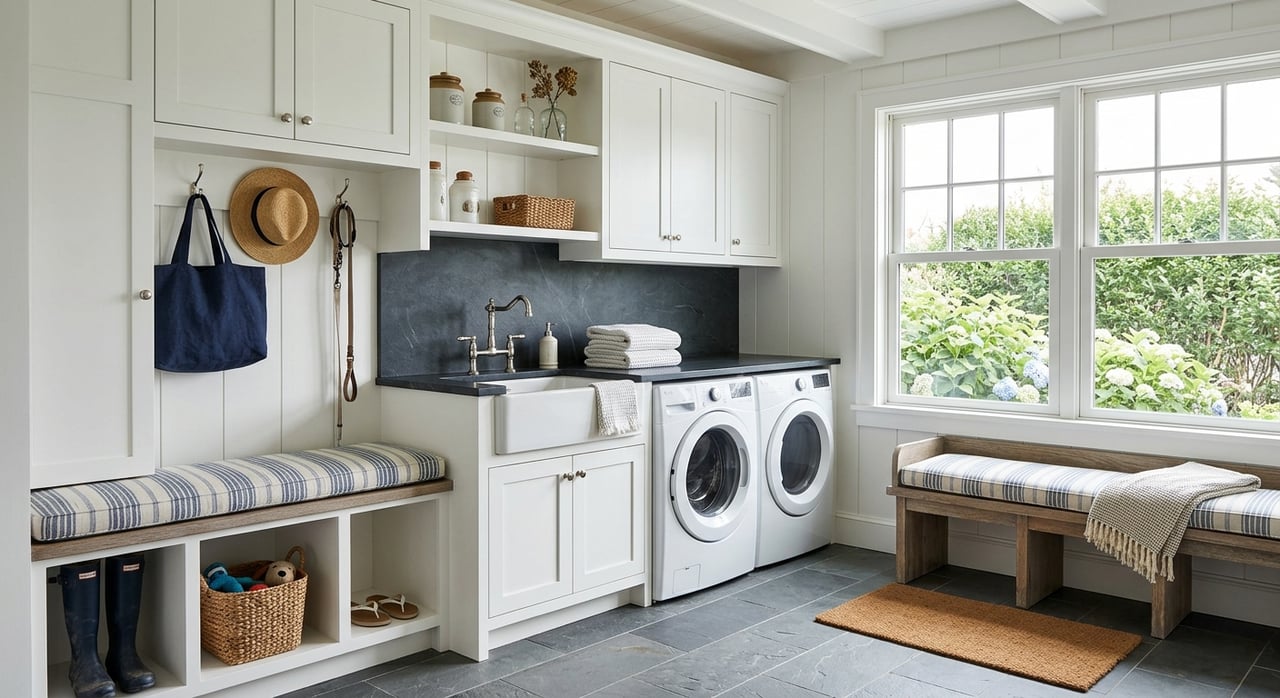
If there is one area that can make a Plum Island home feel instantly more livable, it is the entry. A thoughtful drop zone helps keep sand, wet gear, and clutter from spreading through the house. It also makes everyday arrivals feel easier, especially after the beach or during wetter months.
A simple bench, wall hooks, and closed storage can go a long way. You do not need a huge mudroom to make this work. Even a compact, well-planned entry corner can support the relaxed rhythm of a beach house.
What to Include in an Entry Zone
- A bench for shoes and bags
- Hooks for towels, jackets, and hats
- Closed storage for beach gear
- A durable rug or mat that can handle moisture
- Space for shoes to dry without crowding the room
Manage Moisture for Comfort
A beach house should feel fresh, not damp. EPA guidance notes that heat and humidity can worsen indoor air quality, and CDC guidance recommends keeping indoor humidity at or below 50% to help reduce mold growth. In a coastal environment, that makes moisture control part of good design, not just maintenance.
This is one reason simple, breathable, uncluttered rooms often feel so right on Plum Island. They are easier to clean, easier to dry out, and easier to keep comfortable year-round. Exhaust fans that vent outside and quick cleanup of wet materials are also helpful habits in moisture-prone spaces.
Use Texture Instead of Theme
Some of the most appealing beach houses feel coastal without leaning hard on nautical décor. Instead of anchors, signs, or obvious beach motifs, a more relaxed and refined look often comes from texture. Painted wood, soft linen-like fabrics, simple metal details, and natural-toned finishes can create that easy coastal feeling in a more lasting way.
This approach also photographs well, which matters if you are thinking about long-term resale. A home that feels calm, uncluttered, and visually cohesive often has broader appeal than one built around a strong theme.
Keep Furnishings Comfortable and Simple
Furniture in a Plum Island beach house should support real life. That usually means pieces that are comfortable, easy to clean, and not too precious for sandy feet or damp towels. Clean lines and durable upholstery often feel more relaxed than heavily ornate pieces.
You can still make the home feel polished. The trick is to balance comfort with restraint. A few warm textures, well-scaled seating pieces, and practical storage often do more than a room full of accessories.
Shape the Outdoors Around the Site
The exterior of a Plum Island home matters just as much as the interior. Local Newburyport homeowner guidance encourages native beach plantings, avoids added soils or mulch, and favors surfaces like sand, gravel, crushed shells, or small stone. Those choices are not only practical. They also fit the island’s natural character.
This creates a useful design direction. Instead of trying to create a lawn-heavy or heavily edged yard, a more fitting outdoor look often feels loose, native, and connected to the beach landscape.
Exterior Elements That Fit Plum Island Well
- Sand, gravel, shell, or small-stone ground surfaces
- Native grasses and shrubs instead of lawn-dominant borders
- Open, simple site lines
- Understated transitions between house and landscape
- A casual layout that does not fight natural sand movement
Use Native Plantings for a Softer Look
UMass Amherst coastal landscape guidance highlights the tough conditions of coastal sites, including salt spray, wind, poor soil, dry conditions, shifting sands, and storms. Native and naturalized plants adapted to these conditions generally need less maintenance and can help with erosion control.
For Plum Island, common examples include American beach grass, beach plum, bayberry, Eastern red cedar, rugosa rose, and saltmarsh cordgrass. These plants can help a property feel rooted in its setting while also reducing the pressure to maintain a traditional lawn look.
Think Open, Not Heavy, With Fencing
On Plum Island, fencing should look light and work with the landscape. Newburyport’s local fence guidance requires proposed fences to be at least 80% open for the first two feet above grade and 50% open above that. Examples include open rail and modified split rail styles rather than solid fence designs.
That guidance supports a broader design lesson too. In this setting, heavy visual barriers can feel out of place. Low, open fencing tends to feel more polished, more natural, and more connected to the island’s dune-aware character.
Respect Dunes and Access Paths
Plum Island’s dune factsheet makes a key point: dunes are the island’s first line of defense, and vegetation is important to dune stability. Designated paths and boardwalks help protect fragile dune areas. That means access design should be handled with care.
From a design standpoint, this can actually be a strength. Boardwalk-like transitions, simple paths, and restrained edges often feel more elegant than overbuilt hardscaping. They suit the setting and support the natural systems that make Plum Island unique.
Make It Feel Relaxed for Today and Timeless Later
The most successful Plum Island design choices usually do two things at once. They make the home easier to enjoy now, and they help it stay appealing over time. Durable finishes, native landscape choices, and simple interiors are not just practical. They also create a quieter, more timeless visual story.
If you are updating a home with future resale in mind, it often pays to focus on what will stay useful and attractive season after season. On Plum Island, that usually means calm design, smart maintenance choices, and a look that feels true to the barrier-beach setting.
If you are thinking about buying, selling, or preparing a Plum Island home with design and long-term value in mind, Lynne Hendricks brings local insight, thoughtful strategy, and a strong eye for what resonates in this coastal market.
FAQs
What colors work best for a relaxed Plum Island beach house?
- Soft whites, sand tones, muted blues, slate accents, and warm wood tones usually create a calm coastal look without feeling overly themed.
What flooring works well in a Plum Island beach house?
- Easy-clean flooring in sand-prone and wet areas is often the most practical choice, especially near entries and other high-traffic zones.
What plants fit a Plum Island beach house landscape?
- Common coastal plant options noted in regional guidance include American beach grass, beach plum, bayberry, Eastern red cedar, rugosa rose, and saltmarsh cordgrass.
What kind of fence fits Plum Island best?
- Open fence styles tend to fit the island best, and Newburyport guidance requires fences to remain visually open rather than solid.
How can you make a beach house feel coastal without overdecorating?
- Focus on natural texture, simple finishes, washable materials, and a light palette instead of obvious nautical themes or too many decorative accents.
Why does moisture control matter in a Plum Island home?
- Coastal humidity and wet conditions can affect comfort and indoor air quality, so keeping humidity at or below 50% and drying wet materials quickly can help reduce mold risk.